


-

Add: HeBei ShengShi HongBang Cellulose Technology CO.,LTD.
-

Email
13180486930@163.com -

CONTACT US
+86 13180486930



Hydroxypropyl methylcellulose (HPMC) is widely recognized as a versatile compound that finds its application across various industries. Preparing HPMC solutions is paramount for ensuring its effective performance, whether in pharmaceuticals, food processing, or construction. This article sheds light on the expertise required, authoritative guidelines, and trustworthy methodologies associated with HPMC solution preparation. Experience in HPMC solution preparation reveals that the process is both an art and a science, demanding precision and knowledge. Users often face challenges such as insolubility, clumping, or achieving the desired viscosity. These challenges can be mitigated by following specific preparation steps . Here, I will share a streamlined process derived from years of hands-on experience 1. Selection of Grade The choice of HPMC grade significantly influences the end properties of the solution. Different grades offer varying viscosities and gel temperatures, making it crucial to consult technical specification sheets provided by manufacturers to select the right grade for your application needs. 2. Water Quality The quality of solvent, usually water, plays a critical role. Using deionized or distilled water enhances solubility and prevents any potential reactions from contaminants. Experience confirms that temperature-controlled environments boost the solubility rate and uniformity of HPMC throughout the solution. 3. Dispersion Technique Accurate dispersion ensures the complete hydration of HPMC without forming clumps. Begin by sprinkling HPMC slowly into the solvent while stirring continuously. An authoritative tip involves using mechanical stirrers to maintain a consistent dispersal, achieving a lump-free solution efficiently. 4. Temperature Control The temperature of the solvent should be monitored closely. HPMC tends to dissolve better in cold water. By initially employing cold water to disperse the HPMC and later heating it up if the application demands a higher temperature, one can secure optimal results. hpmc solution preparation 5. Hydration Time Time is a crucial factor in preparing an HPMC solution. Allow the solution to hydrate fully, which might take several hours depending on the grade and environmental conditions. Patience is key as incomplete hydration could result in suboptimal solution properties. 6. pH Adjustment For applications requiring specific pH levels, adjust the pH of the solution after full hydration. Different grades of HPMC might react differently to pH adjustments, so it's advisable to conduct small-scale tests before full-scale operations. From a professional standpoint, the expertise of troubleshooting common issues cannot be overstated. In some cases, adding a non-ionic surfactant can assist in reducing surface tension and improving solubility. Furthermore, employing an industrial homogenizer can yield a finer, more consistent HPMC solution in high-demand applications. To establish authority in the preparation of HPMC solutions, it’s paramount to adhere to standardized practices as endorsed by industry leaders. Following guidelines from entities like the United States Pharmacopeia (USP) can ensure compliance and efficacy in pharmaceutical applications. Maintaining a record of every batch's preparation details ensures traceability and identifies areas for future optimization. Trustworthiness is built through consistency and transparency. Regularly testing and documenting the rheological properties of prepared solutions guarantees batch-to-batch uniformity. For enhanced credibility, consider third-party verification from accredited laboratories to validate the effectiveness and safety of the final solution. In conclusion, HPMC solution preparation demands a blend of practical experience, specialized knowledge, and adherence to authoritative protocols. By following these best practices, one can ensure the creation of high-quality HPMC solutions suitable for a variety of applications, ultimately fostering trust and reliability in the end product.
- 40000tons

Production
- 20+years

Experience
- 5000+㎡

Acreage

-
The Versatile Uses of Crumb Rubber Powder Crumb rubber powder, a product derived from the recycling of scrap tires, has gained significant attention in various industries due to its myriad applications and sustainable benefits. As environmental concerns surrounding waste management intensify, the value of repurposing discarded tires into useful materials becomes increasingly significant. This article explores the many uses of crumb rubber powder and highlights its advantages, particularly in paving, construction, and automotive industries. One of the most prominent applications of crumb rubber powder is in the manufacturing of asphalt. The integration of crumb rubber into asphalt mixtures enhances the performance and longevity of road surfaces. The elastomeric properties of rubber improve flexibility and resistance to cracking, particularly in extreme weather conditions. Moreover, crumb rubber-modified asphalt can reduce noise pollution and increase road durability, making it an environmentally friendly alternative to traditional asphalt. The Versatile Uses of Crumb Rubber Powder Another noteworthy application of crumb rubber powder is in the production of playgrounds and sports surfaces. When used in playground flooring, it offers a cushioned surface that significantly reduces the risk of injuries from falls. Its shock-absorbing qualities make it an ideal choice for various recreational facilities, including running tracks and athletic fields. Moreover, the use of crumb rubber in athletic surfaces improves traction and provides consistent playing conditions, contributing to better performance in sports. uses of crumb rubber powder The automotive industry also benefits from the incorporation of crumb rubber powder. It is utilized in the production of tires, inner linings, and various automotive components. By recycling old tires into new products, manufacturers not only contribute to waste reduction but also enhance the performance of their vehicles. The addition of crumb rubber improves the durability and lifespan of tires, ultimately leading to a more sustainable automotive industry. Furthermore, crumb rubber powder plays a role in filtration systems. Its porous structure allows it to be used effectively in air and water filtration applications. The rubber's ability to capture particulates makes it an ideal material for producing filters that improve air quality in various environments, from industrial settings to residential areas. This application highlights crumb rubber's versatility beyond conventional uses and its potential to contribute to public health. Despite its many benefits, the use of crumb rubber powder is not without its controversies. Concerns about potential health risks associated with the leaching of chemicals from crumb rubber, particularly in children’s play areas, have been raised. However, numerous studies have shown that properly processed crumb rubber does not pose significant health risks. Regulatory bodies continue to monitor and assess the safety of crumb rubber in various applications to ensure public safety. In conclusion, crumb rubber powder represents a sustainable and versatile material with a wide array of applications across multiple industries. From enhancing road surfaces to improving construction materials and contributing to safer play environments, its benefits are numerous. As the world moves towards more sustainable practices, the use of crumb rubber powder not only offers a solution to the growing problem of tire waste but also paves the way for innovative advancements. Embracing this eco-friendly approach can significantly contribute to resource conservation, making it a valuable addition to modern manufacturing and construction processes.
-

Hydroxypropyl methylcellulose (HPMC) and carboxymethyl cellulose (CMC) are two of the most widely used cellulose derivatives in various industries, including pharmaceuticals, food production, and construction materials. Understanding the distinctions between these two compounds can significantly enhance product formulation and application efficiency . HPMC and CMC share a common cellulose backbone, but the chemical modifications and substituted groups differentiate their properties and functionalities. Hydroxypropyl methylcellulose is modified by the addition of methoxy and hydroxypropoxy groups. These chemical modifications impart valuable properties like thermal gelation, water retention, and film-forming capabilities, making HPMC ideal for use in tile adhesives, pharmaceuticals, and food products. On the other hand, carboxymethyl cellulose is primarily characterized by the carboxymethyl groups attached to the cellulose backbone. This gives CMC its high viscosity, excellent water solubility, and emulsifying properties. Such characteristics make CMC particularly useful as a thickener and stabilizer in sauces, dressings, and other culinary products as well as in personal care items like toothpaste and lotions. In terms of application in the pharmaceutical industry, HPMC is favored due to its high thermal gelation properties and its ability to function as a release rate controller in oral medicines. HPMC’s safety and inertness make it an excellent choice for use in sustained-release tablet formulations. This ability to effectively modulate drug release profiles significantly contributes to patient compliance and therapeutic efficacy. Furthermore, HPMC’s film-forming capabilities are essential in the coating of tablets, imparting stability and aesthetics while ensuring functionality. Conversely, CMC is instrumental in the formulation of liquid pharmaceuticals where thickening and stability are required. Its high viscosity makes it an ideal candidate for suspensions and liquid syrups, where even distribution and homogeneity of the active ingredient are crucial. difference between hpmc and cmc In the food industry, HPMC proves to be an invaluable tool where thermal gelation and fat reduction are desired without compromising texture. For example, in low-fat ice creams, HPMC stabilizes the emulsion and provides a creamy texture. CMC, however, is often chosen for baked goods to enhance mouthfeel and improve moisture retention, vital for shelf-life extension. The environmental impact and biodegradability of these cellulose derivatives also play a critical role in their selection for specific applications. Both HPMC and CMC are biodegradable and non-toxic, which align with the growing trend toward environmentally friendly and sustainable products. However, the production processes and raw material sourcing can vary, which may influence the ecological footprint of each product. Professionals in construction also leverage the unique strengths of these compounds. HPMC's ability to retain water and provide smooth application makes it ideal for cement and gypsum-based products, improving workability and performance under various environmental conditions. Meanwhile, CMC’s excellent rheological properties are appreciated in the suspension and stability of paints and coatings. In summary, while HPMC and CMC are both cellulose-derived, their unique chemical structures provide distinct advantages across different sectors. HPMC excels in applications requiring gelation, film formation, and controlled release, whereas CMC is preferred for its viscosity, solubility, and stabilizing properties. Selecting between HPMC and CMC should be guided by specific product requirements, industry standards, and desired characteristics, ensuring that each application achieves optimal performance. Such informed decisions not only enhance product quality but also build trust and credibility, aligning with the modern consumer's demand for transparency and reliability.
advantages
-

200000 Viscosities
Excellent product
We can produce pure products up to 200,000 viscosities
-

40000 tons
High yield
We don’t stop production all year round, and the annual output can reach 40,000 tons
-

24 hours
Quality service
We provide 24-hours online reception service, welcome to consult at any time
———— Inquiry Form
Schedule A services

- plaster_retarder
Oct . 25, 2025
Fiberglass for Concrete Mix Enhancing Strength and Durability Concrete is one of the most widely use -
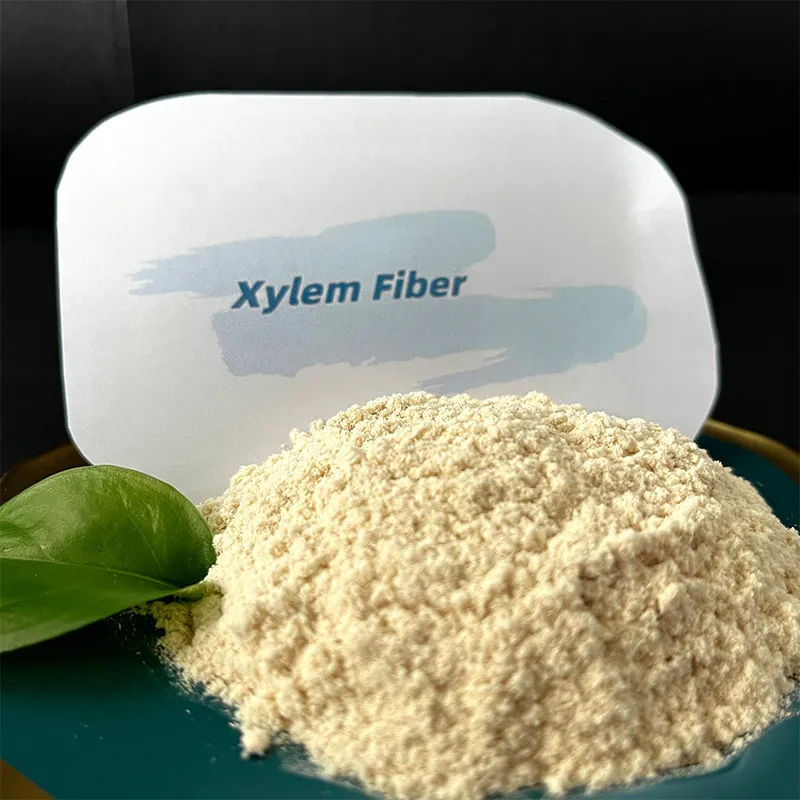
 hibla_na_gawa_sa_sapal_ng_kahoy
Oct . 25, 2025
Starch derivatives are gaining significant traction in various industries due to their versatile app -
 fiber_reinforced_polypropylene
Oct . 25, 2025
Hydroxypropyl distarch phosphate (HDP) is an essential modified starch used across a variety of indu


